Description
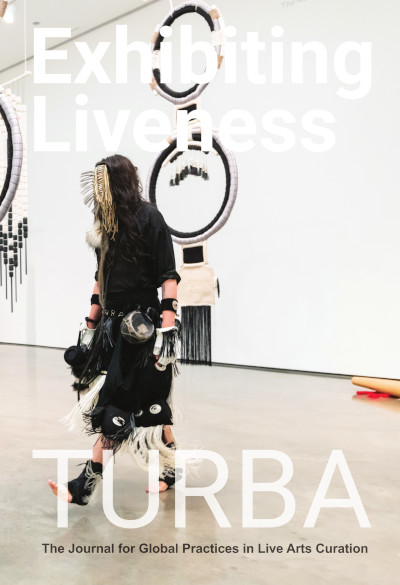
Enter any contemporary art museum, gallery, or biennale in 2024 and chances are that the live arts will be center “stage.” While theater, dance, music, and performance art were historically presented in visual arts contexts as fringe or one-off events, since the turn of the twenty-first century—and gaining momentum over the past decade—there has been a growing tendency to “exhibit” live art. As choreographers, directors, and composers who have built their careers in the visual art world—which is significantly more monied than the performing arts world—take home major prizes and awards, leading museums are inaugurating spaces designed exclusively to house installation and performance. But architectural spaces are also ideological spaces with tacit value systems that influence conventions of performance and spectatorship, as well as perceptual experience. What happens when live arts are transplanted into the modernist project of the white cube, characterized as it is by its putative neutrality, objectivity, universality, disembodiment, and erasure of context (see O’Doherty [1976] 1999)? Today’s eventized museum showcases works of art characterized by durationality (they are circumscribed by time), corporeality (they feature live, gesturing bodies), and relationality (they foreground the intersubjective exchange) that engender new modes of what Nicolas Bourriaud (2002) called “relational aesthetics.” In so doing, these works challenge traditional definitions of the “collection,” the “archive,” the “museum,” and even “contemporary art.”